Taking the NCLEX in Puerto Rico: Exam-Day Preparation Tips for Less Stress and Better Focus
Taking the NCLEX is not only an academic event. It is a stamina event, a focus event, and a planning…
Read More →Feuer Nursing Review NCLEX Prep

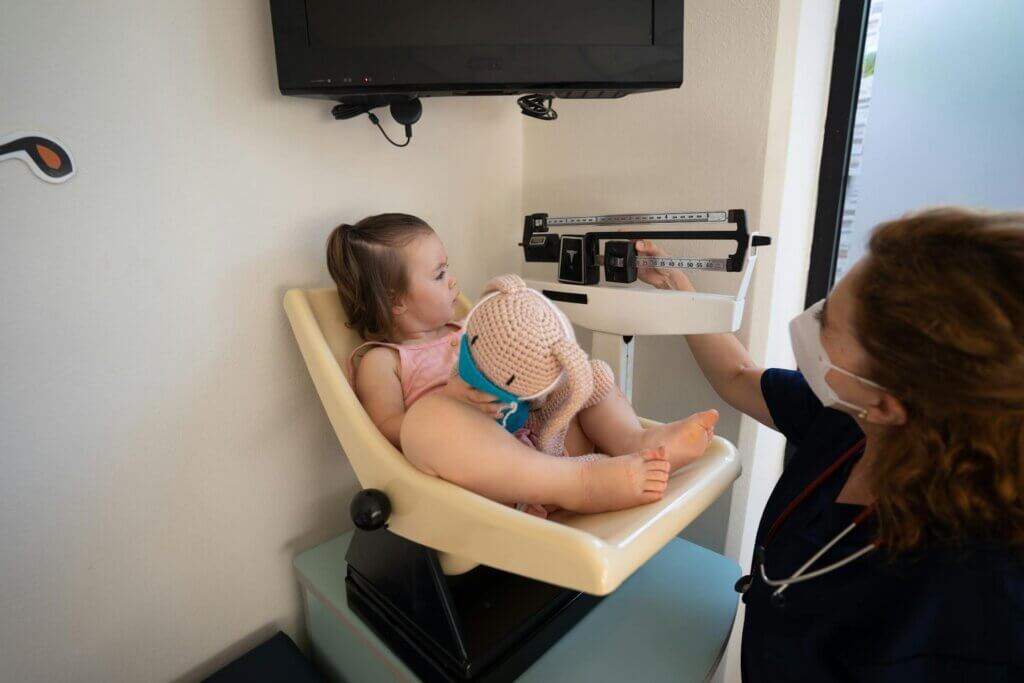
Becoming a pediatric nurse is a meaningful career path for nurses who enjoy working with children, supporting families, and making a difference during some of the most important moments in a child’s life.
But if you are a nursing student or future nurse, you might be wondering: Where do I even start?
The good news is that becoming a pediatric nurse does not happen all at once. It is a step-by-step journey. You begin by building a strong nursing foundation, completing your nursing education, passing the NCLEX, gaining clinical experience, and continuing to grow your pediatric nursing skills.
Pediatric nursing can be challenging, but it can also be incredibly rewarding. Children are not just “small adults.” They have different developmental needs, communication styles, medication considerations, and emotional responses. That is why pediatric nurses need patience, strong assessment skills, compassion, and the ability to communicate well with both children and their families.
This guide breaks down the steps on how to become a pediatric nurse in a simple and student-friendly way.
A pediatric nurse is a registered nurse who cares for infants, children, adolescents, and sometimes young adults. Pediatric nurses may work in hospitals, pediatric clinics, emergency departments, schools, specialty offices, urgent care centers, or community health settings.
Their role may include:
Pediatric nurses do more than treat symptoms. They also help children feel safe, help families understand care instructions, and advocate for the child’s overall health.
Before choosing pediatric nursing, it helps to understand what the job is really like.
Pediatric nurses care for patients who may not always be able to explain what they feel. A baby cannot say, “My stomach hurts.” A toddler may cry because they are scared, tired, hungry, or in pain. A teenager may understand what is happening but may feel embarrassed or anxious.
This means pediatric nurses must be good observers. They look at breathing, skin color, activity level, crying, facial expressions, feeding patterns, and behavior changes. They also listen closely to parents and caregivers because families often know the child’s normal behavior best.
If you enjoy caring for children, teaching families, staying calm under pressure, and using both clinical judgment and compassion, pediatric nursing may be a great fit.
To become a pediatric nurse, you first need to become a registered nurse. Registered nurses usually complete a Bachelor of Science in Nursing, an associate degree in nursing, or a diploma from an approved nursing program, and they must be licensed to practice.
During nursing school, you will study subjects such as anatomy, physiology, pharmacology, health assessment, medical-surgical nursing, maternal and child health, mental health, and pediatric nursing.
This is where your foundation begins. Even if your goal is pediatrics, you still need to understand general nursing care because children can experience many different health conditions.
While in nursing school, pay close attention to pediatric nursing topics. This includes growth and development, pediatric vital signs, family-centered care, medication safety, child communication, safety teaching, and common childhood illnesses.
Some important pediatric topics to study include:
Pediatric nursing becomes easier when you understand what is normal for each age group. For example, an infant, toddler, school-age child, and adolescent all have different physical, emotional, and communication needs.
After completing your nursing program, the next major step is passing the NCLEX-RN. The NCLEX is part of the licensure process and is designed to measure nursing competence for real-world practice. NCSBN explains that registering for the NCLEX is a multistep process involving the nursing regulatory body and Pearson VUE, and candidates should check the requirements of the nursing regulatory body where they plan to practice.
For students who want to become pediatric nurses, NCLEX preparation is important because pediatric topics can appear on the exam. You may see questions about developmental milestones, medication calculations, respiratory distress, safety, infection control, prioritization, and family education.
When studying for the NCLEX, do not only memorize facts. Focus on understanding why an answer is correct. Pediatric questions often test clinical judgment, safety, and priority actions.
Once you pass the NCLEX and meet your state’s requirements, you can apply for registered nurse licensure. Requirements may vary depending on where you plan to practice, so always check with your state board of nursing or nursing regulatory body.
After you become licensed as an RN, you can start applying for nursing positions, including jobs that may help you move toward pediatric nursing.
Some nurses enter pediatrics as new graduates, while others gain experience first in general nursing, medical-surgical nursing, emergency care, or family health settings.
If you want to become a pediatric nurse, look for opportunities that allow you to work with children and families. This may include:
Experience helps you become more confident with pediatric assessments, medication safety, communication, and family education.
You will also learn how children respond differently based on age. A toddler may need distraction and comfort. A school-age child may want a simple explanation. A teenager may need privacy and honest communication.
Communication is one of the most important skills in pediatric nursing.
You are not only communicating with the patient. You are also communicating with parents, guardians, physicians, other nurses, and healthcare team members.
With children, your communication should match their age and developmental level. For example:
Instead of saying, “I need to auscultate your lungs,” you can say, “I’m going to listen to your breathing with my stethoscope.”
Simple words can make care feel less scary.
Family-centered care is a major part of pediatric nursing.
Children often depend on their parents or caregivers for comfort, decision-making, routines, and emotional support. Pediatric nurses must know how to include families in care while still respecting the child as the patient.
This means explaining procedures, answering questions, teaching home care instructions, and helping families understand warning signs.
For example, if a child is being discharged after an asthma-related visit, the nurse may teach the family about medication use, triggers, breathing warning signs, and when to seek emergency care.
Good family teaching can help prevent complications and improve safety after the child leaves the healthcare setting.
After gaining pediatric nursing experience, some nurses choose to pursue certification. Certification is usually not the first step, but it can help show advanced knowledge and commitment to pediatric nursing.
The Pediatric Nursing Certification Board states that the Certified Pediatric Nurse exam validates pediatric nursing knowledge beyond basic RN licensure, and eligible RNs may hold a diploma, associate degree, BSN, MSN, or higher nursing degree while meeting one of the eligibility pathways.
Certification requirements can change, so it is best to check the certifying organization directly before applying.
Pediatric nursing is a field where you keep learning. Children’s healthcare needs change with age, diagnosis, development, family situation, and emotional needs.
To continue growing as a pediatric nurse, you can:
The more you learn, the more confident you become.
Pediatric nurses need both clinical and emotional skills. Some of the most important skills include:
Children may be scared, shy, crying, playful, quiet, or unable to explain their symptoms. A good pediatric nurse knows how to stay calm, observe carefully, and respond with kindness.
Pediatric nursing can feel hard at first because children require age-specific care. You must think about developmental stages, weight-based medication dosing, family involvement, communication differences, and safety risks.
But with practice, it becomes more manageable.
The key is to build your foundation slowly. Learn normal development, understand pediatric vital signs, practice NCLEX-style questions, and pay attention during clinical experiences.
Over time, you will become more comfortable caring for pediatric patients.
If you are still in nursing school, there are many ways to prepare early.
Start by studying developmental milestones. This will help you understand what is expected at different ages.
Next, practice pediatric dosage calculations. Many pediatric medications are based on weight, usually in kilograms, so accuracy is very important.
You should also practice answering NCLEX-style pediatric questions. These questions help you apply what you learned instead of simply memorizing information.
Most importantly, use your pediatric clinical experience wisely. Observe how nurses speak to children, comfort families, explain procedures, and recognize signs of distress.

Becoming a pediatric nurse takes education, licensure, experience, and a genuine desire to care for children and families.
The journey usually begins with nursing school, followed by NCLEX preparation, RN licensure, pediatric experience, and continued learning. Some nurses may also choose to pursue pediatric certification after gaining experience.
Pediatric nursing is not always easy, but it is meaningful. You get to support children during vulnerable moments, help families feel more confident, and use your nursing skills to make a real difference.
If your goal is to become a pediatric nurse, start by building a strong nursing foundation today. Focus on pediatric assessment, communication, safety, medication calculations, and family-centered care.
If you are preparing for the NCLEX, Feuer Nursing Review can help you strengthen your nursing knowledge, improve your test-taking confidence, and prepare for the next step in your nursing journey.
The timeline depends on your nursing education path. Some students complete an associate degree, while others complete a BSN program. After graduation, you must pass the NCLEX and meet your state’s licensing requirements before working as an RN.
A BSN may be preferred by some employers, especially hospitals, but RN education paths can vary. The most important first step is completing an approved nursing program, passing the NCLEX, and becoming licensed as a registered nurse.
Yes, some new graduate nurses may be hired into pediatric units, clinics, or residency programs. However, availability depends on the employer, location, and job requirements. Pediatric experience, strong clinical skills, and good communication can help.
Focus on growth and development, pediatric vital signs, medication calculations, respiratory conditions, dehydration, safety, pain assessment, family-centered care, and NCLEX-style pediatric questions.
Pediatric nursing can be a great career choice for nurses who enjoy working with children, educating families, and providing compassionate care. It can be challenging, but it is also rewarding because you help children and families during important moments in their healthcare journey.